The WGA Wilderness Guide
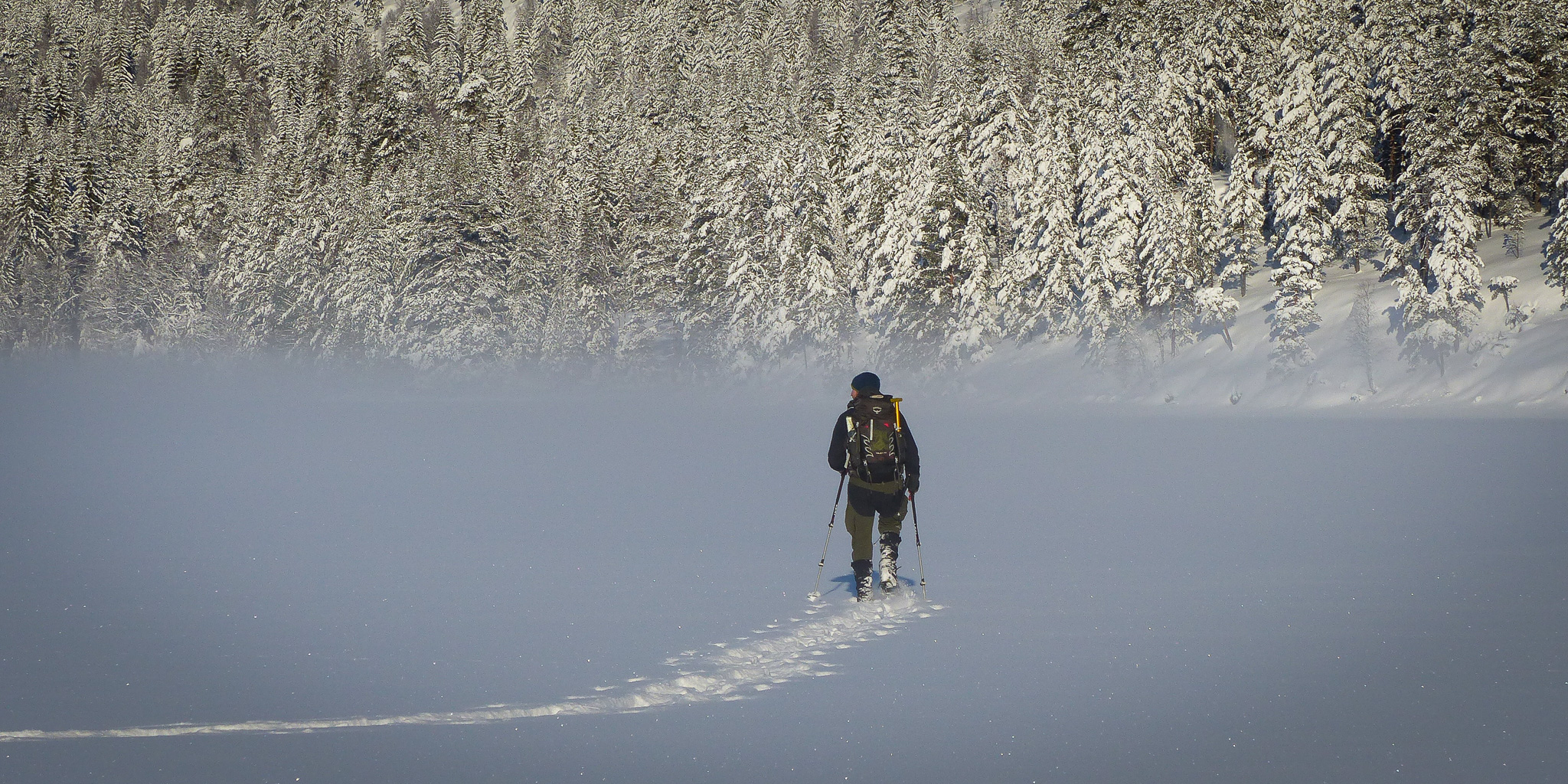
A WGA Wilderness Guide is a professional who leads groups in remote and wilderness environments as part of organised, professional and often commercial guiding activities.
Within the WGA framework, wilderness guiding refers specifically to the professional responsibility of leading paying participants or organised groups, where safety, judgment and decision-making are critical.
Role
A Wilderness Guide leads groups through environments where external support is limited, conditions can change rapidly and decisions have direct consequences for group safety.
This role is performed within a professional context, often as part of a commercial operation, expedition programme or organised guiding activity.
Responsibility
- Planning and executing professionally organised wilderness journeys
- Managing risk for groups participating in commercial or organised activities
- Leading clients safely under changing environmental conditions
- Responding effectively to incidents and emergencies in remote settings
Operating environment
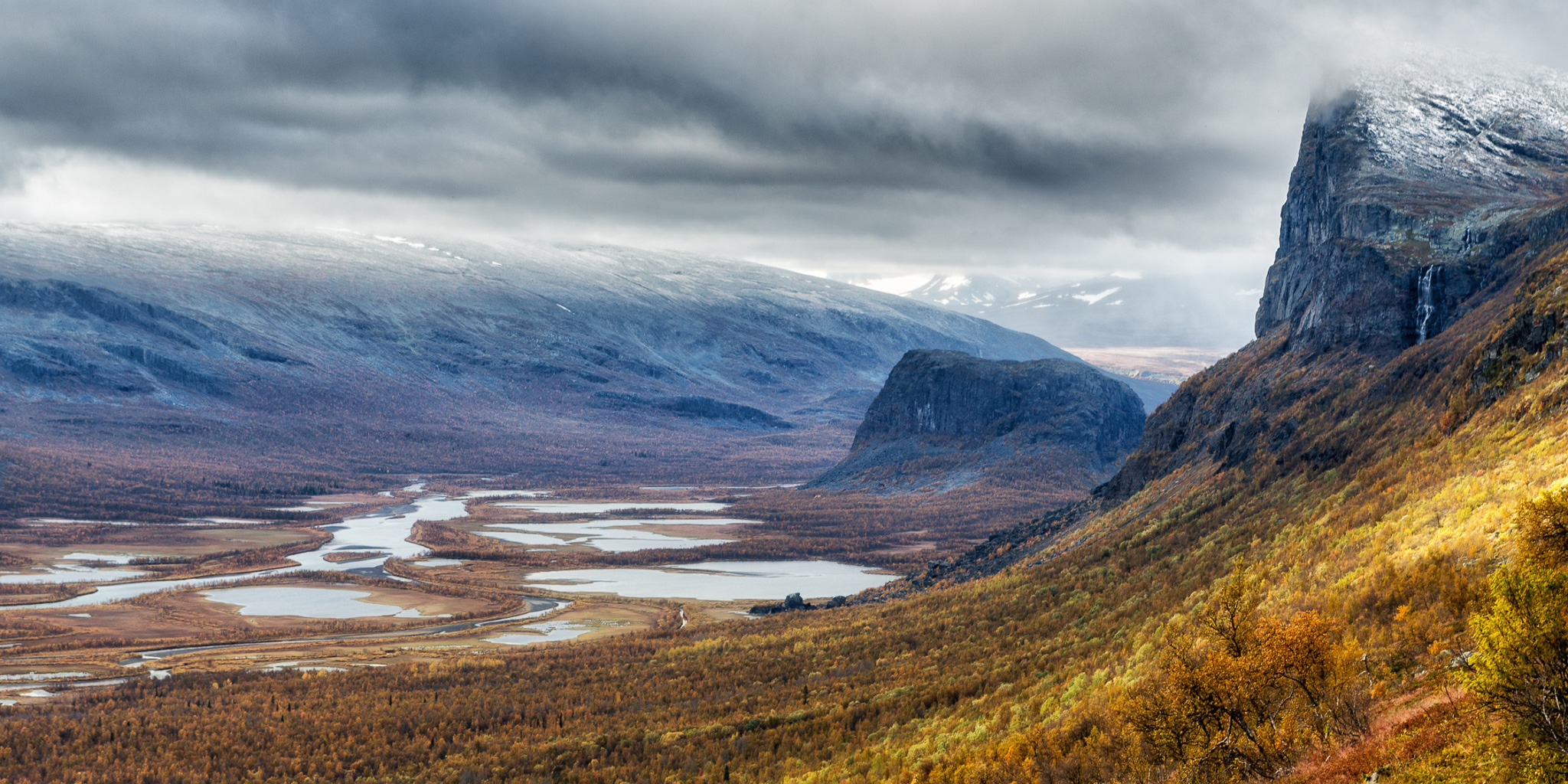
WGA Wilderness Guides operate in environments characterised by remoteness, limited infrastructure and environmental exposure, where professional guiding standards are required.
- Mountain and alpine regions
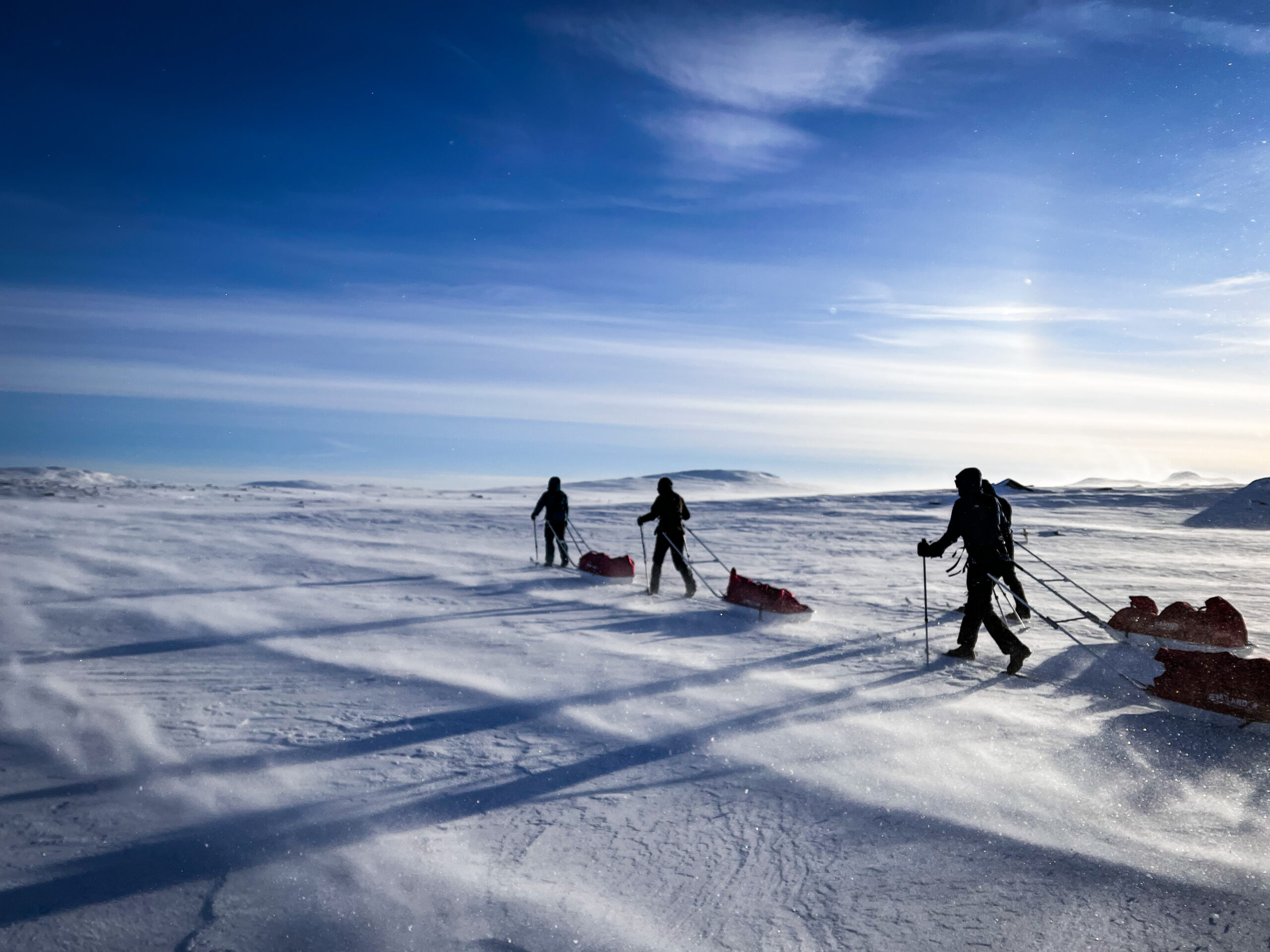
- Arctic and sub-Arctic environments
- Remote boreal and wilderness landscapes
- Multi-day and expedition-style terrain
Standards and scope
All WGA Wilderness Guides operate within clearly defined professional standards that determine their scope of practice.
- Ecoregion-specific conditions
- Seasonal limitations
- Level of remoteness and operational complexity
- Certification level and documented guiding experience
Certification never grants unlimited authority. A guide operates strictly within their approved scope and professional limits.
Leadership
Leadership in the wilderness is not about control, but about professional responsibility.
A WGA Wilderness Guide leads by anticipating risk, communicating clearly and making decisions that prioritise group safety over commercial or personal objectives.
Ethics
All WGA Wilderness Guides are expected to operate in accordance with the WGA Code of Ethics, which defines professional conduct, responsibility and integrity within wilderness guiding.
The Code of Ethics provides a shared ethical foundation for guides, organisations and instructors operating within the WGA framework.
Mission and professional intent
The work of a WGA Wilderness Guide aligns with the mission of the Wilderness Guides Association, which aims to promote professional standards, responsible guiding and long-term stewardship of wilderness environments.
The WGA Mission Statement provides the broader context in which guiding, certification and organisational membership exist.
Read the WGA Mission Statement
Professional development
The WGA recognises wilderness guiding as a professional and developmental discipline.
Progression from aspiring guide to senior guide is based on demonstrated competence, documented experience and professional conduct, not on speed or volume.
This ensures a consistent and high professional standard across all WGA certified wilderness guides.