Wilderness Guide Boreal Forest
Professional context of the Boreal and Nemoral ecoregion, including guiding realities, regional differences and a download link to the WGA Level 2–3 standards.
Introduction to the Boreal Forest Ecoregion
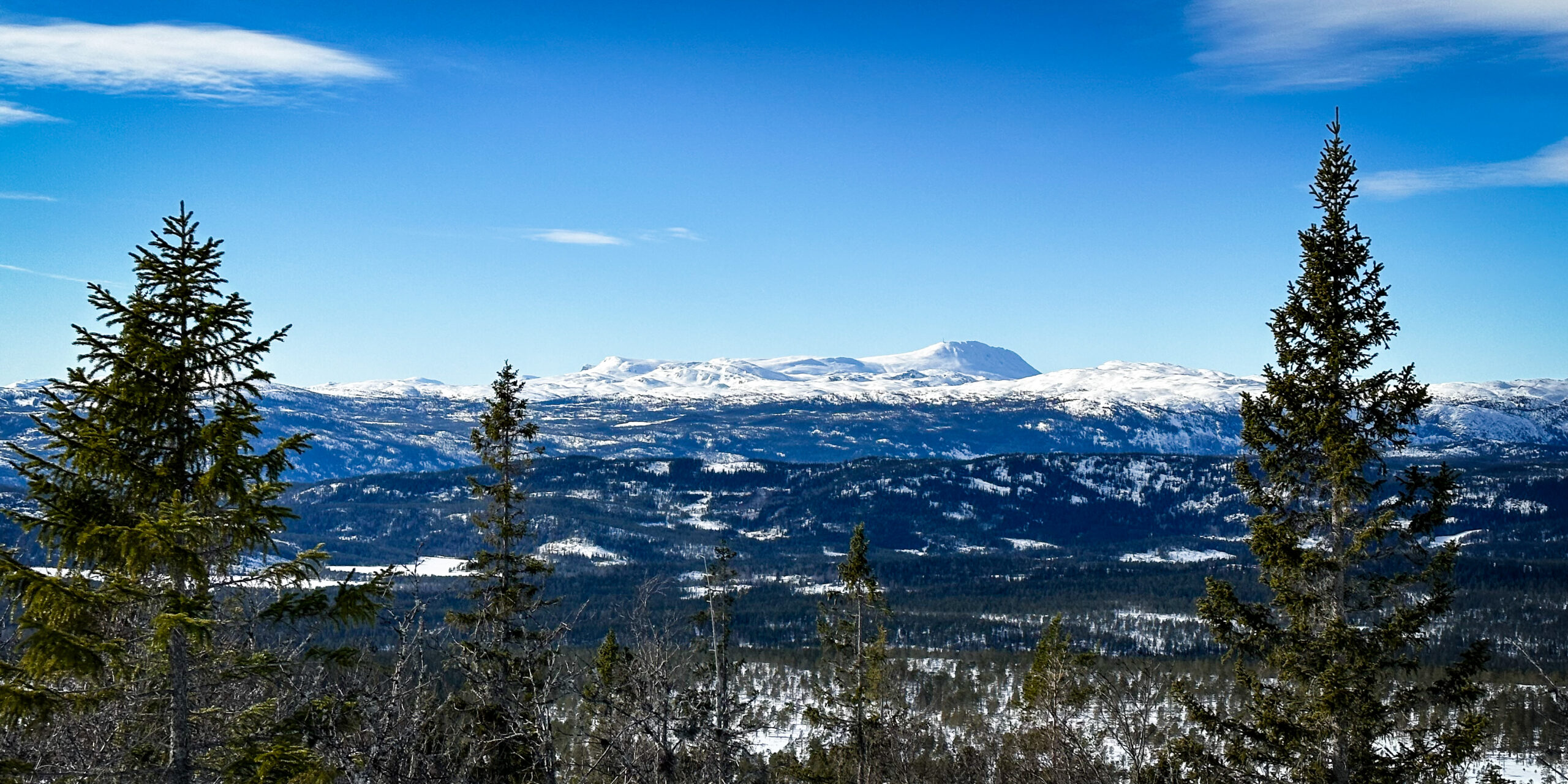
The Boreal Forest is one of the most important operational environments for a Wilderness Guide. Stretching across the Northern Hemisphere, the Boreal and Nemoral forests form a vast and diverse ecoregion where professional guiding requires adaptability, leadership and multi-season competence.
For anyone aiming to work as a Wilderness Guide in the Boreal Forest, understanding this environment is essential.
What Defines the Boreal and Nemoral Forest?
- Transition from temperate to sub-Arctic climates
- Mix of managed forest and remote backcountry
- High seasonal variability and rapid weather changes
For a Wilderness Guide, the Boreal Forest is defined not by extremes alone, but by complexity and variability. This makes it a core environment for professional development and assessment.
Geographic Scope of the Boreal Forest
The Boreal Forest (Taiga) is a transcontinental ecoregion forming a continuous belt across the Northern Hemisphere. It is not limited to a single country or continent.
Boreal Forest (Taiga) – examples
- Northern Europe: Scandinavia (Norway, Sweden, Finland) and adjacent boreal regions
- Northern Asia: Siberian Taiga and boreal regions of Russia
- North America: Canada and parts of Alaska
Nemoral Forest – examples
- Northern Europe: Southern Scandinavia and the boreal-nemoral transition zone
- Europe: parts of Central and Western Europe where mixed forest dominates
Within the WGA framework, Boreal and Nemoral forests are treated as a connected operational ecoregion for Wilderness Guides. For certification and assessment purposes, the focus is on demonstrated competence within Boreal Forest conditions rather than on specific national boundaries.
Climate and Seasonal Reality
- Long, cold and dark winters
- Short summers with long daylight and insects
- Unstable transition seasons with increased risk
Guides must understand how terrain, risk and logistics change throughout the year, often within the same area.
Terrain and Movement in the Boreal Forest
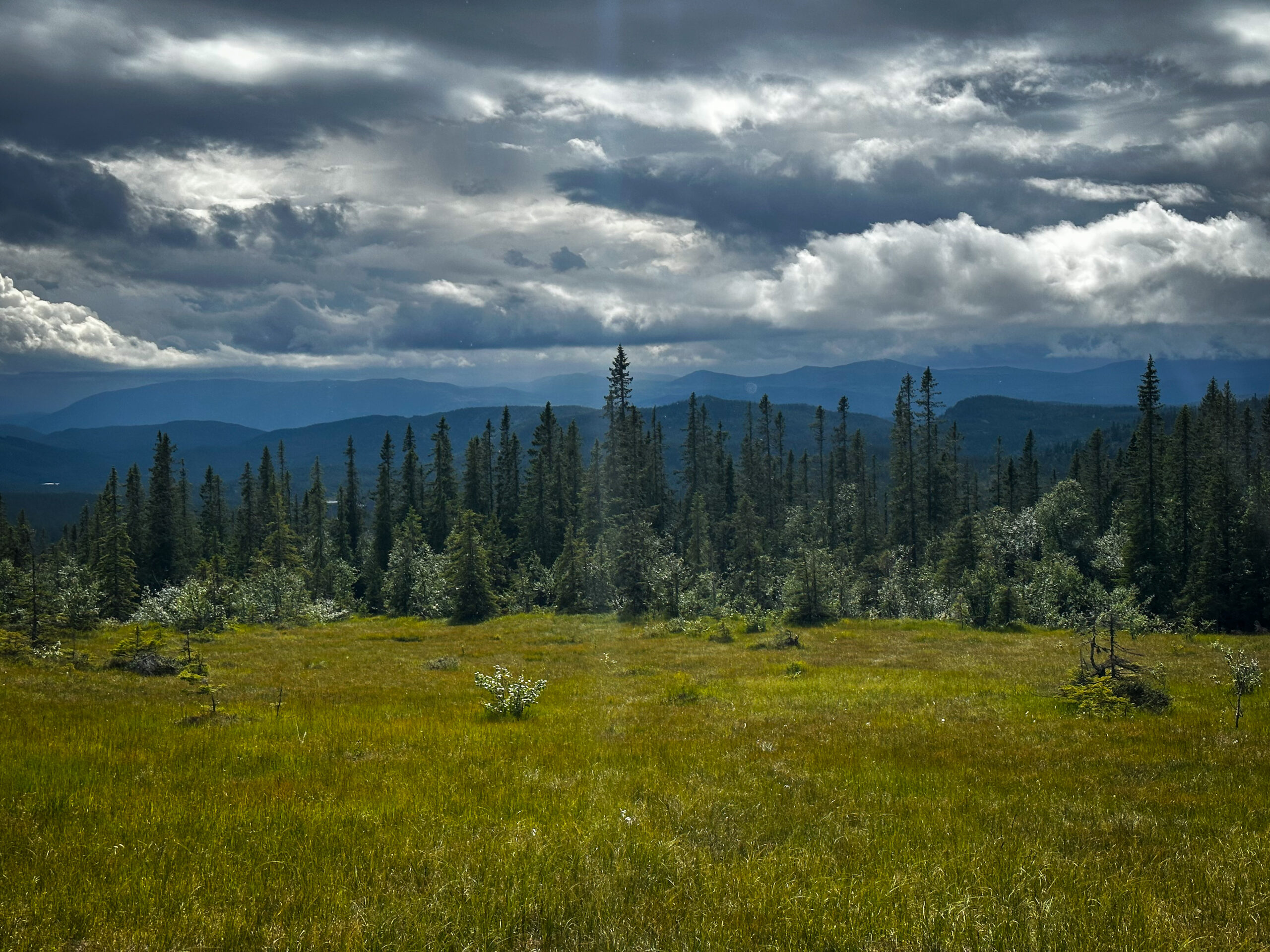
- Dense forest limiting visibility and navigation
- Wetlands and bogs influencing route choice
- Rivers and lakes acting as corridors and obstacles
Common travel methods:
- Backpacking
- Canoe and packraft travel
- Winter travel on skis or snowshoes
- Multi-modal expeditions
Regional Differences Within the Boreal Forest
Although the Boreal Forest is often described as a single global ecoregion, its operational reality differs strongly between regions.
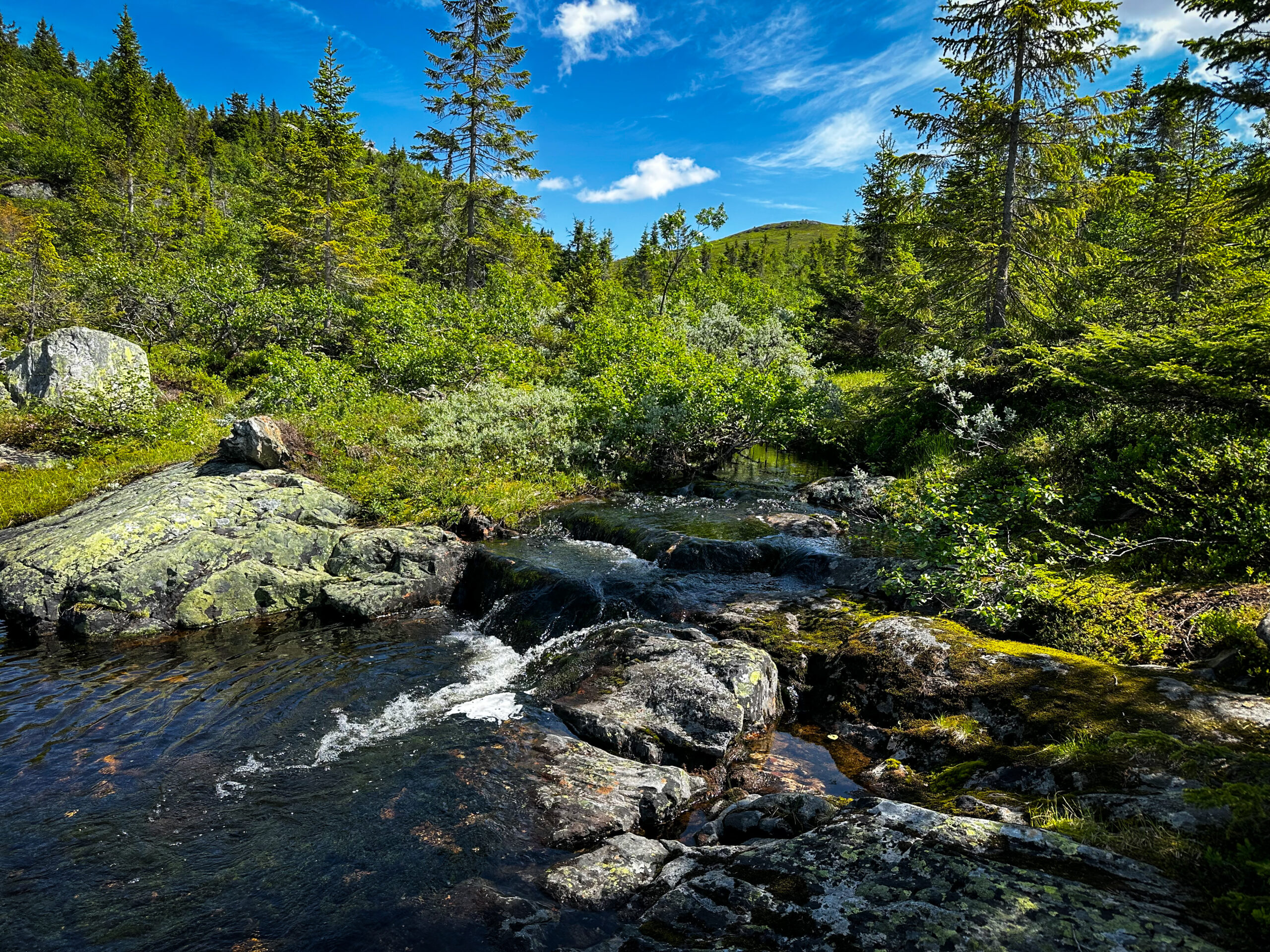
Canada
Characterised by vast wilderness, minimal infrastructure and long evacuation times. Guiding here is expedition-focused and requires strong logistics and wildlife awareness.
Scandinavia
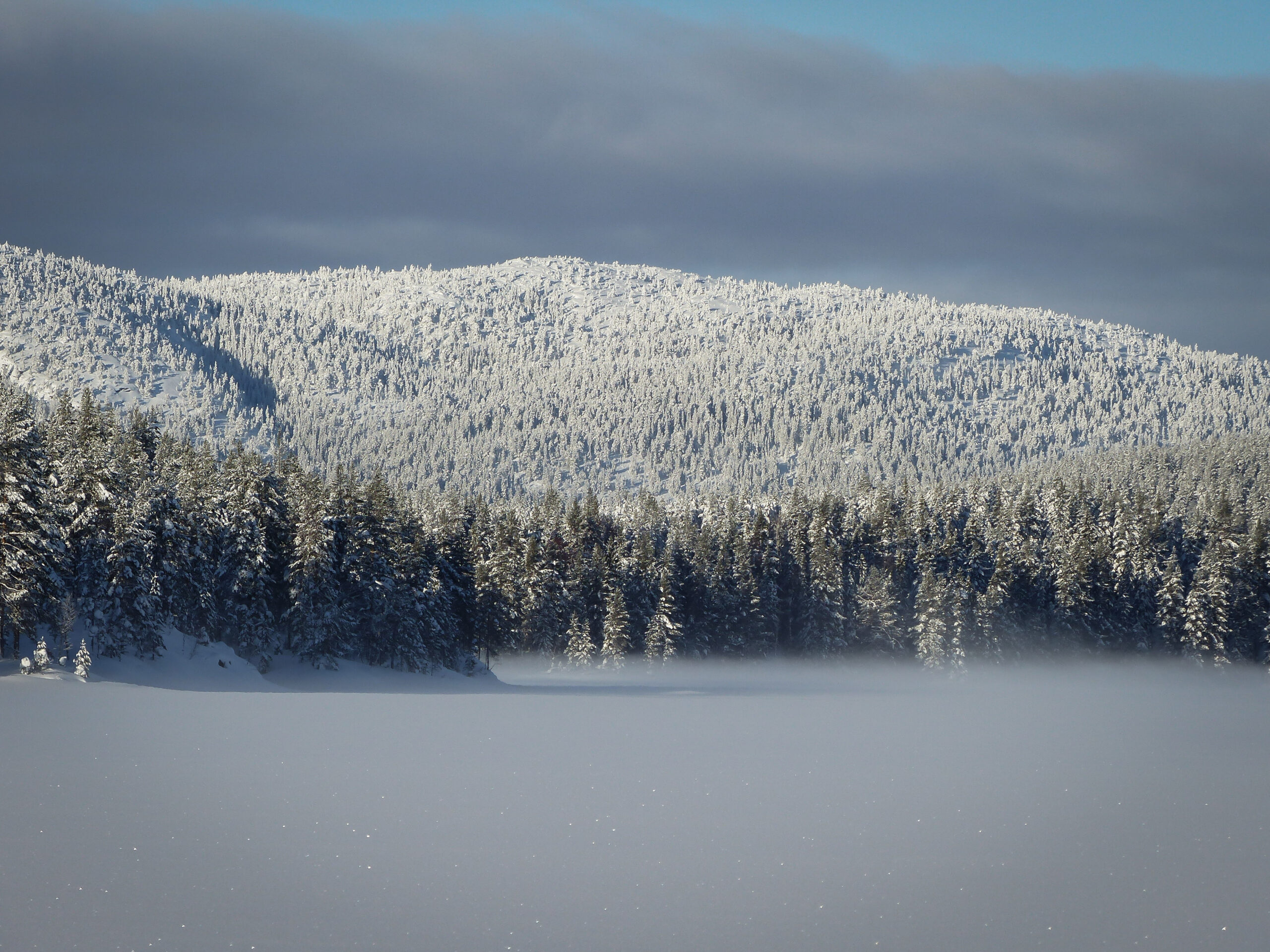
Defined by mixed accessibility, cabins, lakes and strong seasonal variation. Guiding competence is shown through judgement, ethics and adaptability.
Asia (Siberian Taiga)
Extreme climate, long supply lines and minimal rescue capacity. Professional competence is tied to preparation, resilience and cultural awareness.
Flora and Fauna in a Guiding Context
- Spruce, pine and birch dominate Boreal regions
- Mixed forest increases toward Nemoral zones
- Insects often have more impact than large wildlife
Ecological knowledge supports decision making and safety, rather than species identification alone.
Human Influence and Land Use
- Forestry and managed landscapes
- Seasonal cabins and shelters
- Indigenous land use and cultural context
- Recreational access and shared space
Risk Profile in the Boreal Forest
- Cold and wet exposure
- Navigation drift in forested terrain
- Water and ice hazards
- Fatigue and cumulative stress
WGA Level 2 and Level 3 Boreal Standards
Download the WGA Boreal Standards (PDF)
This document provides the professional reference framework for operating as a Wilderness Guide in the Boreal Forest.
- Level 2 and Level 3 competences
- Backcountry and expedition requirements
- Skills, knowledge and assessment criteria
- Professional scope and specializations
👉 Download: WGA Standards Level 2–3 – Wilderness Guide Boreal Forest (PDF)
Who This Page Is For
- Professional Wilderness Guides
- Aspiring Wilderness Guide Boreal Forest candidates
- Outdoor educators and expedition leaders
- Anyone seeking professional insight into the Boreal Forest