Wilderness Guide Desert
Professional context of desert and arid environments, including operational realities, regional differences and a reference to the WGA Level 2–3 Desert standards.
Introduction to the Desert Ecoregion
Desert environments represent one of the most demanding operational contexts for professional wilderness guiding. Operating as a Wilderness Guide Desert requires advanced planning, disciplined decision making and precise management of heat, hydration, logistics and human factors.
Desert terrain is often defined not by technical difficulty, but by cumulative exposure, limited margins for error and delayed rescue options.
What Defines the Desert Environment?
- High heat or large temperature fluctuations
- Scarcity of water and resupply opportunities
- Constant exposure to sun, wind and terrain
- Navigation challenges in low-feature landscapes
For a Wilderness Guide, desert competence is demonstrated through prevention, conservative planning and disciplined execution.
Geographic Scope of Desert Environments
Hot Deserts
- Sahara and Sahel regions (Africa)
- Arabian Peninsula
- Sonoran and Mojave Deserts (North America)
- Australian Outback
Cold and High-Altitude Deserts
- Gobi Desert (Central Asia)
- Patagonian Desert (South America)
- High-altitude Andean deserts
Within the WGA framework, desert competence is assessed based on operational conditions, not climate labels alone.
Climate and Environmental Reality
- Intense solar radiation and heat stress
- Cold nights and rapid temperature drops
- Wind, sand and dust exposure
- Seasonal flash flood risks in some regions
Terrain and Movement in Desert Environments
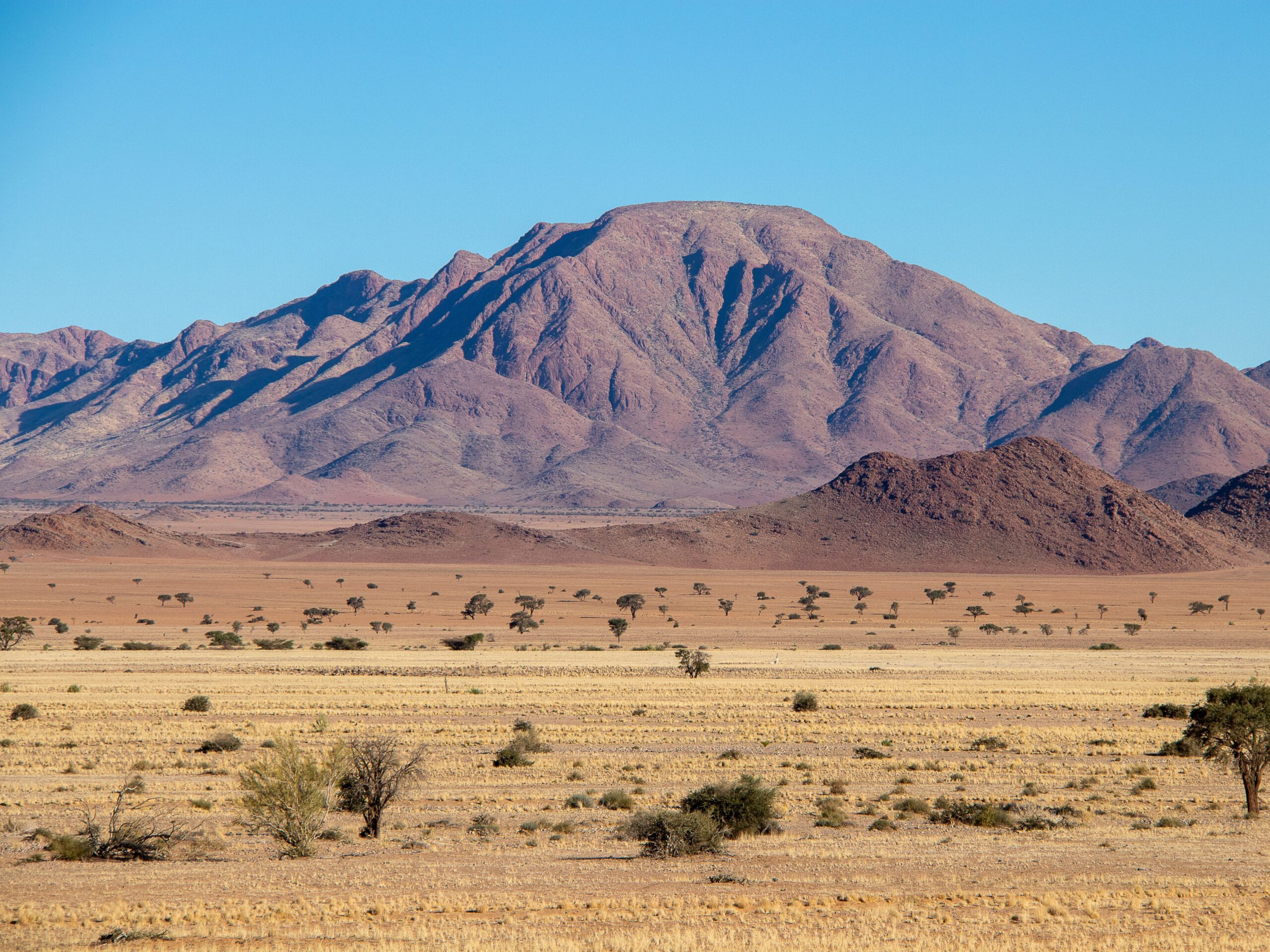
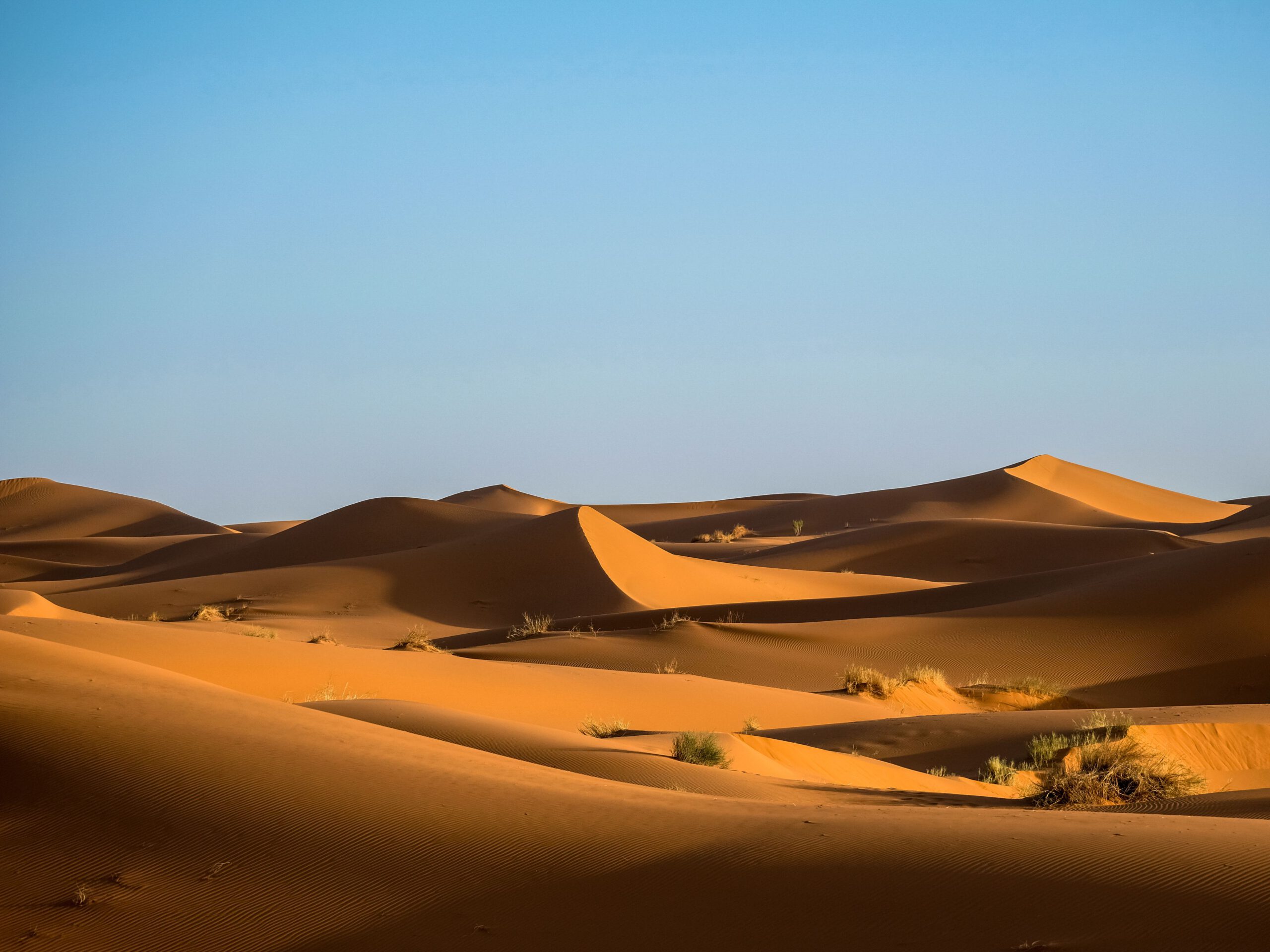
- Sand dunes, gravel plains and rocky plateaus
- Dry riverbeds (wadis) and canyon systems
- Limited natural shelter
Common travel methods include:
- Backpacking and expedition-style foot travel
- Vehicle-supported expeditions (where appropriate)
- Multi-day unsupported crossings
Regional Differences Within Desert Environments
Although deserts share core characteristics, operational reality varies significantly between regions.
Africa
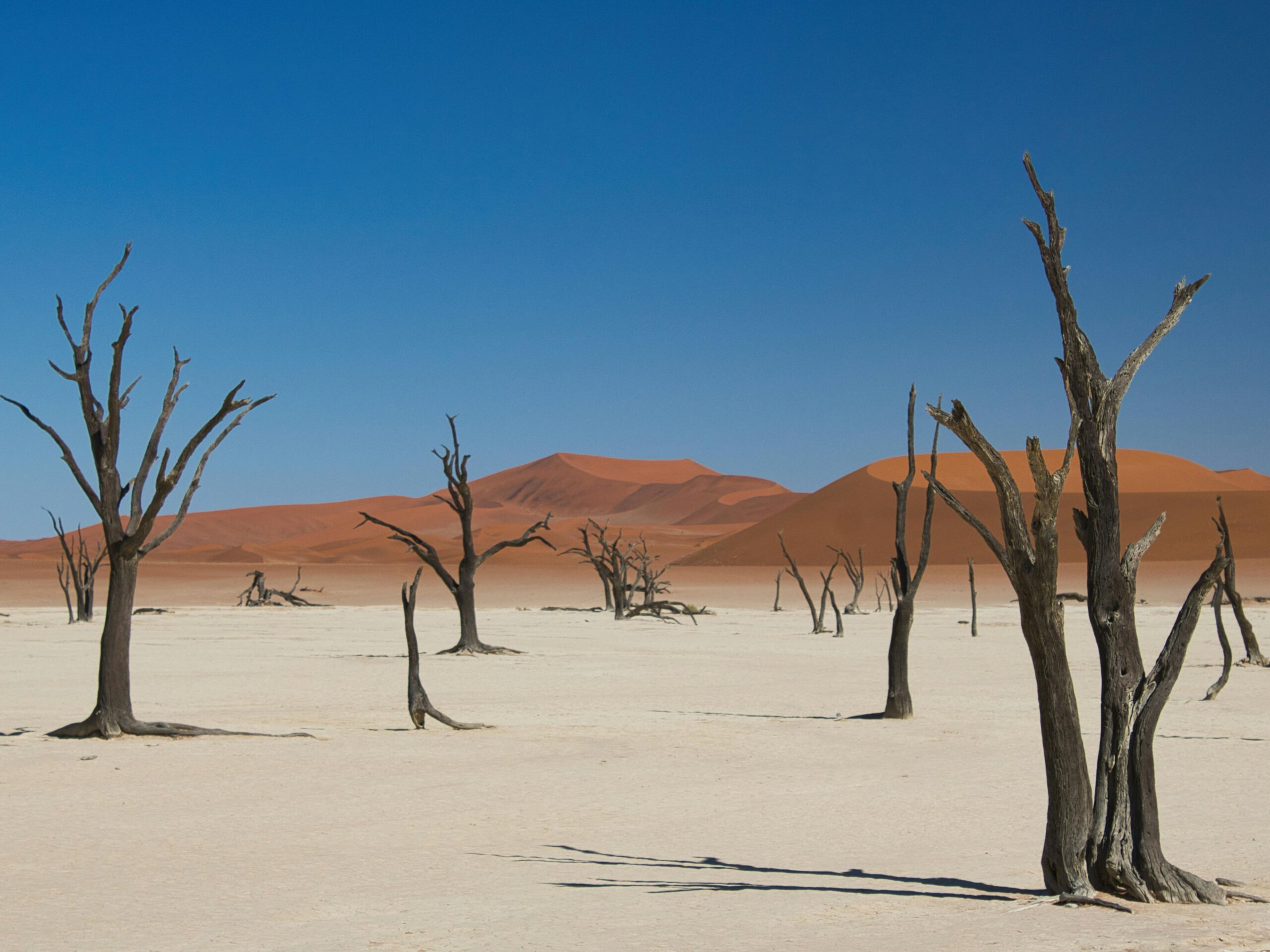
Vast distances, extreme heat and limited infrastructure. Guiding is expedition-focused with emphasis on logistics, water management and emergency planning.
Middle East
High heat exposure combined with complex terrain and regulatory environments. Cultural awareness and local knowledge are critical.
North America
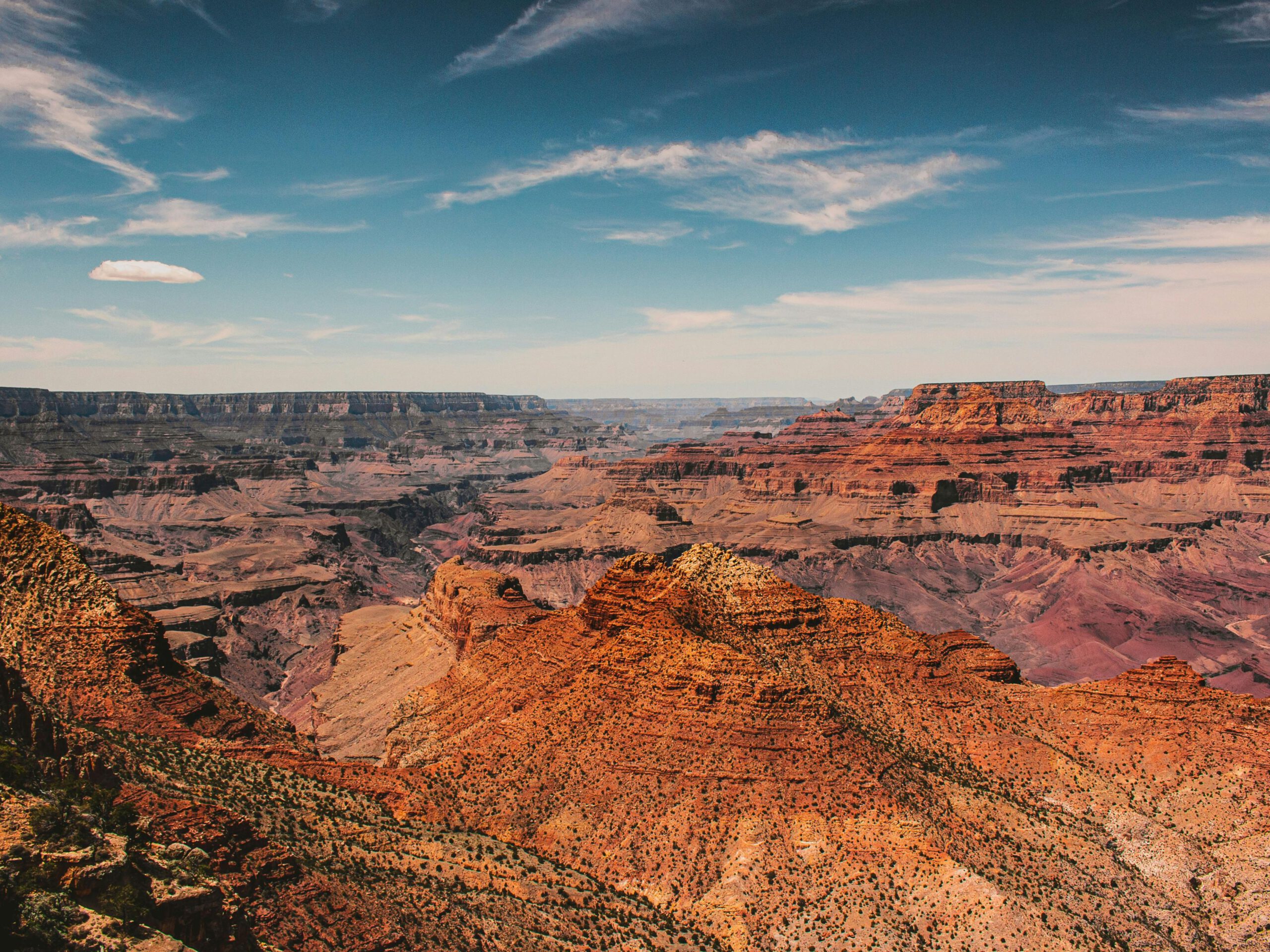
Often defined by canyon systems, arid plateaus and high solar exposure. Operational competence is shown through heat illness prevention, route strategy, conservative water planning and realistic evacuation assumptions in remote terrain.
Ecology and Environmental Awareness
- Specialised desert flora and fauna
- Fragile water-dependent ecosystems
- High sensitivity to human impact
Human Presence and Land Use
- Indigenous land use and traditional knowledge
- Remote settlements and infrastructure
- Strict access and conservation regulations
Risk Profile in Desert Environments
- Heat exhaustion and dehydration
- Navigation drift and route misjudgement
- Limited evacuation and rescue capacity
- Cumulative fatigue and decision degradation
WGA Level 2 and Level 3 Desert Standards
Download the WGA Desert Standards (PDF)
This document defines the professional competence framework for operating as a Wilderness Guide Desert.
👉 Download: WGA Standards Level 2–3 – Wilderness Guide Desert (PDF)
Who This Page Is For
- Professional Wilderness Guides
- Aspiring Wilderness Guide Desert candidates
- Outdoor educators and expedition leaders
- Professionals seeking a desert ecoregion reference