Wilderness Guide Arctic
Professional context of the Arctic ecoregion, including guiding realities, regional differences and a download link to the WGA Level 2–3 Arctic standards.
Introduction to the Arctic Ecoregion
The Arctic represents one of the most demanding environments for professional wilderness leadership. Operating as a Wilderness Guide Arctic requires advanced judgement, strong self-sufficiency and the ability to manage risk in environments where errors have high consequences.
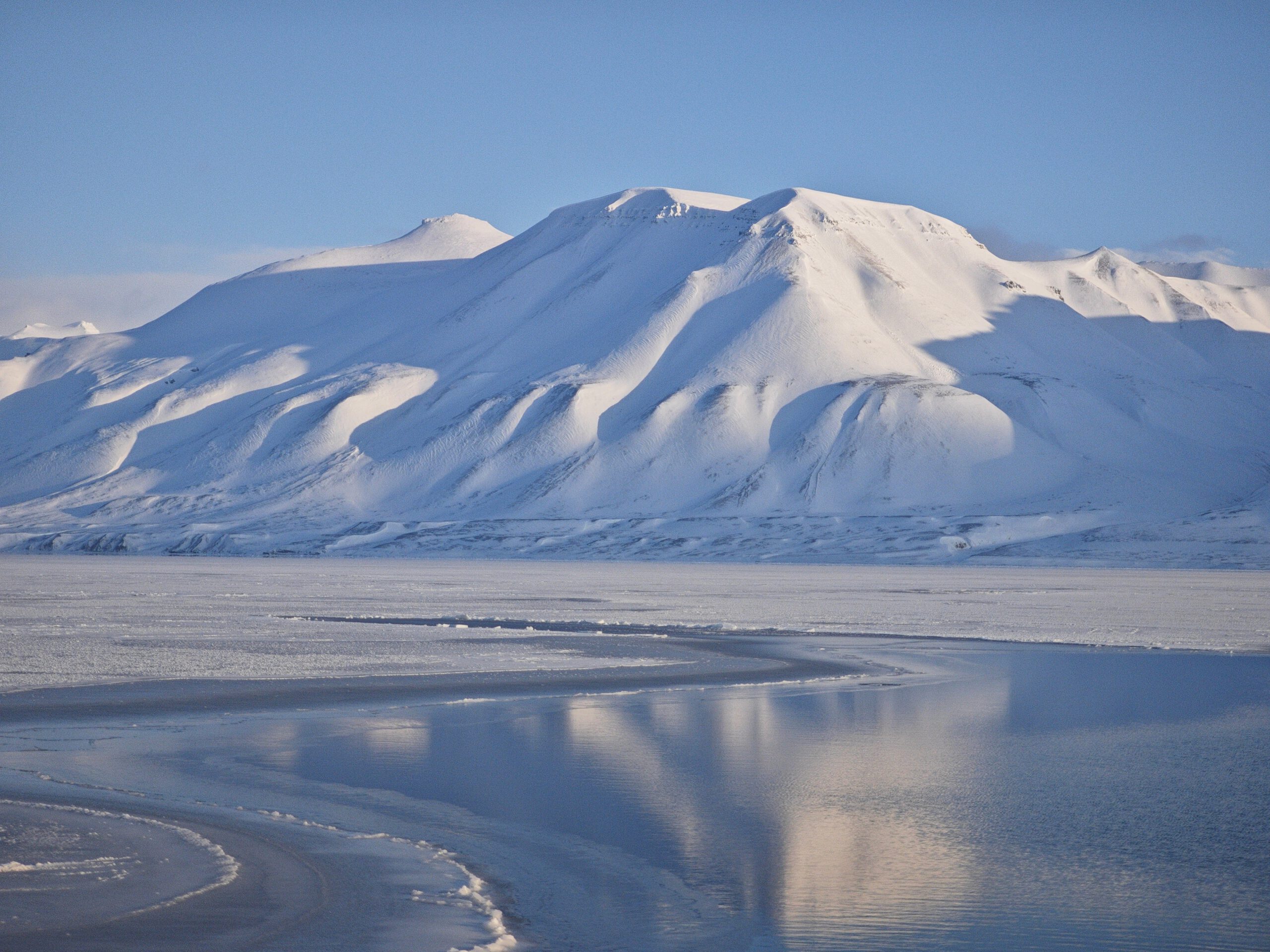
Arctic operations are defined by treeless terrain, severe cold, wind exposure, snow and ice travel, limited infrastructure and delayed evacuation possibilities.
What Defines the Arctic Environment?
- Persistent cold, wind and rapid weather changes
- Snow and ice as dominant terrain factors
- Treeless landscapes with continuous exposure
- Limited infrastructure and extended self-reliance
For a Wilderness Guide Arctic, competence is demonstrated through conservative decision making, winter travel proficiency and effective management of human factors under pressure.
Geographic Scope of the Arctic
The Arctic is a transcontinental operating environment across the Northern Hemisphere. It is not defined by national borders but by climate, terrain, season, remoteness and operational consequences.
Core Arctic (High Arctic and Arctic tundra) – examples
- North America: Canadian Arctic Archipelago, Nunavut, northern coastal tundra; parts of Alaska
- Europe: Northern Scandinavia (Northern Lapland / Sápmi), including Arctic and High Sub-Arctic regions of Norway, Sweden and Finland; Svalbard (Norway) as a High Arctic island context
- Greenland: Inland and coastal Arctic environments with expedition-level remoteness
- Northern Asia: Russian Arctic coast and High Arctic regions
Maritime and coastal Arctic – examples
- Strong wind exposure, rapid weather shifts and cold maritime systems
- Sea ice dynamics, coastal travel constraints and limited shelter options
Sub-Arctic (winter competence context) – examples
- Transitional northern regions where winter conditions are Arctic-relevant in practice
- Comparable cold exposure, travel methods, decision making and rescue limitations in winter operations
- Often used for competence development when the operational outcomes match Arctic requirements
In professional practice, Arctic and Sub-Arctic experience can be complementary when the conditions, season and competence outcomes align. For WGA certification and assessment purposes, the focus is on demonstrated competence in Arctic operational conditions rather than on specific geographic labels.
Climate and Seasonal Reality
- Extreme cold and windchill effects
- Limited daylight and recovery opportunities
- Whiteout risk and fast-moving storms
- Changing snow stability and ice conditions
Terrain and Movement in the Arctic
- Snow and ice travel across lakes, rivers and sea ice
- Treeless navigation requiring precise bearings and terrain reading
- Cold impact on pace, fuel consumption and group performance
Common travel methods include:
- Snowshoes and cross-country skis
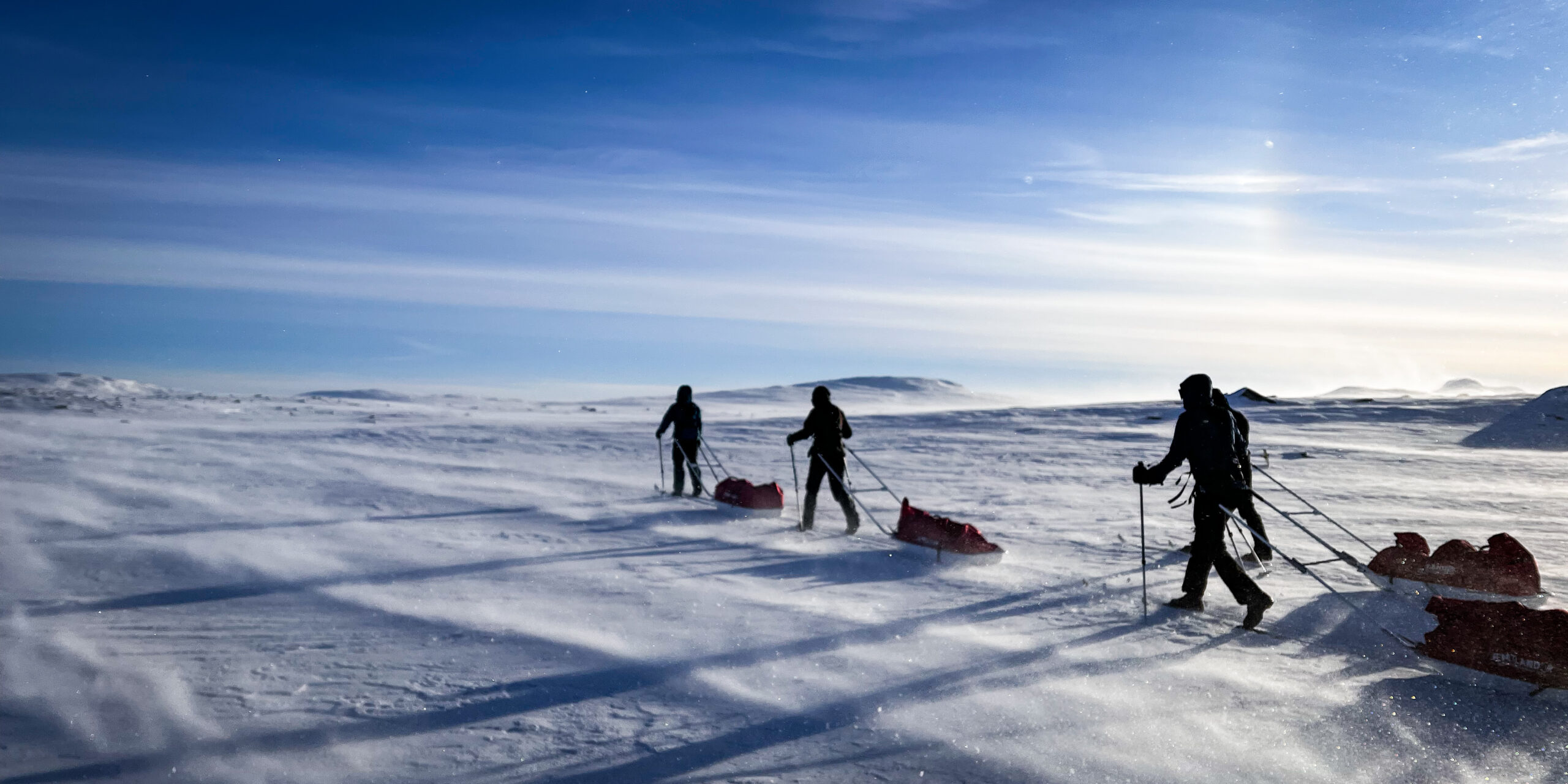
- Pulka travel and snow tool use
- Ice assessment and safe crossing techniques
Regional Differences Within the Arctic
Although often treated as one environment, the Arctic varies strongly by region. A professional Wilderness Guide Arctic must adapt logistics, rescue assumptions and leadership style to the regional context.
Canada
Vast distances, limited infrastructure and long evacuation timelines. Guiding requires expedition-level logistics, strong communications planning and conservative decision points.
Northern Scandinavia (Lapland / Sápmi)
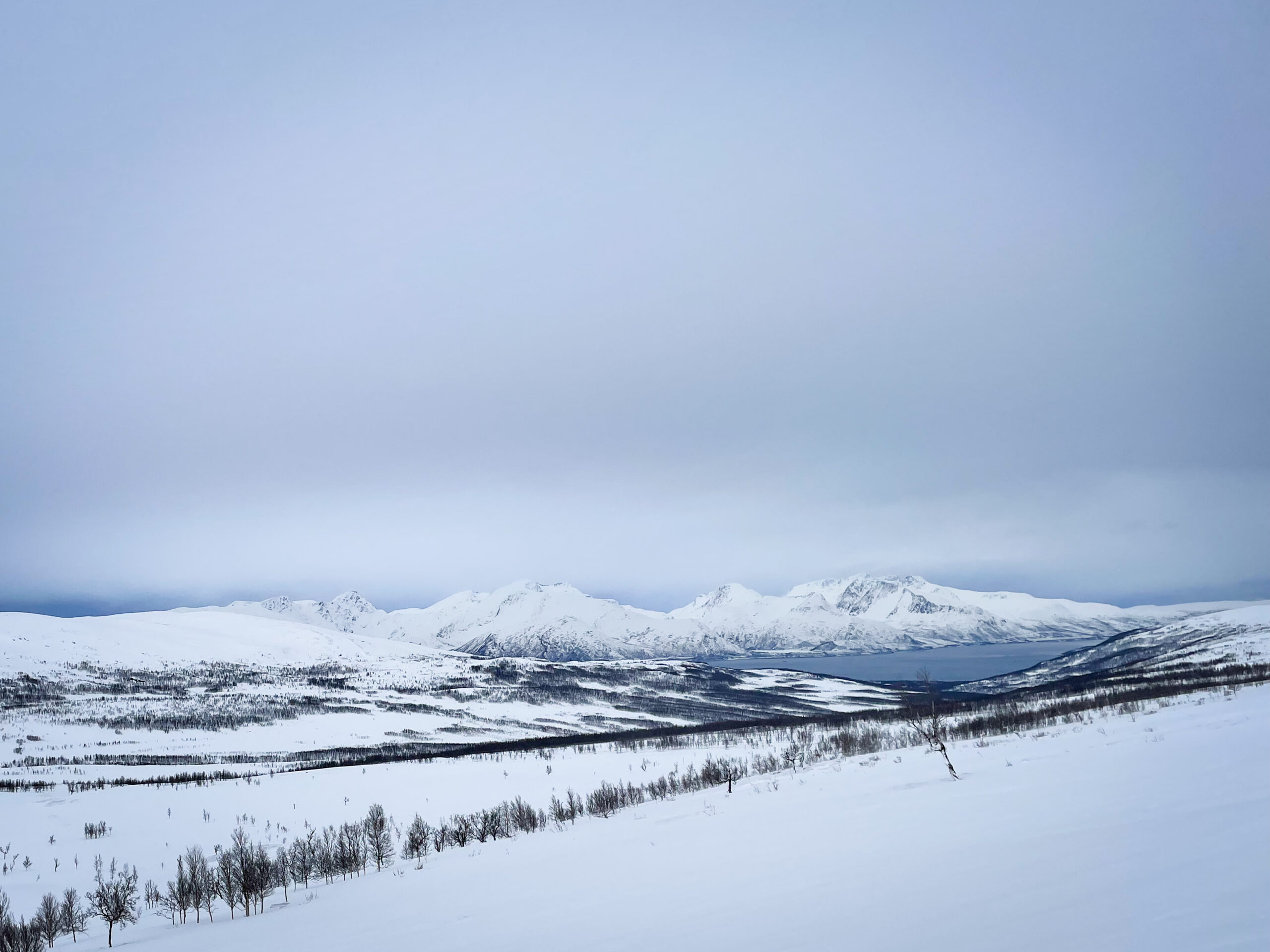
Combines accessibility with severe winter conditions. Coastal weather systems, wind exposure and variable snow and ice conditions influence travel and camp strategy.
Asia
Extreme cold, long supply lines and limited rescue capacity. Competence is tied to preparation, resilience and operational discipline.
Flora, Fauna and Wildlife Safety
- Short growing seasons and specialised Arctic flora
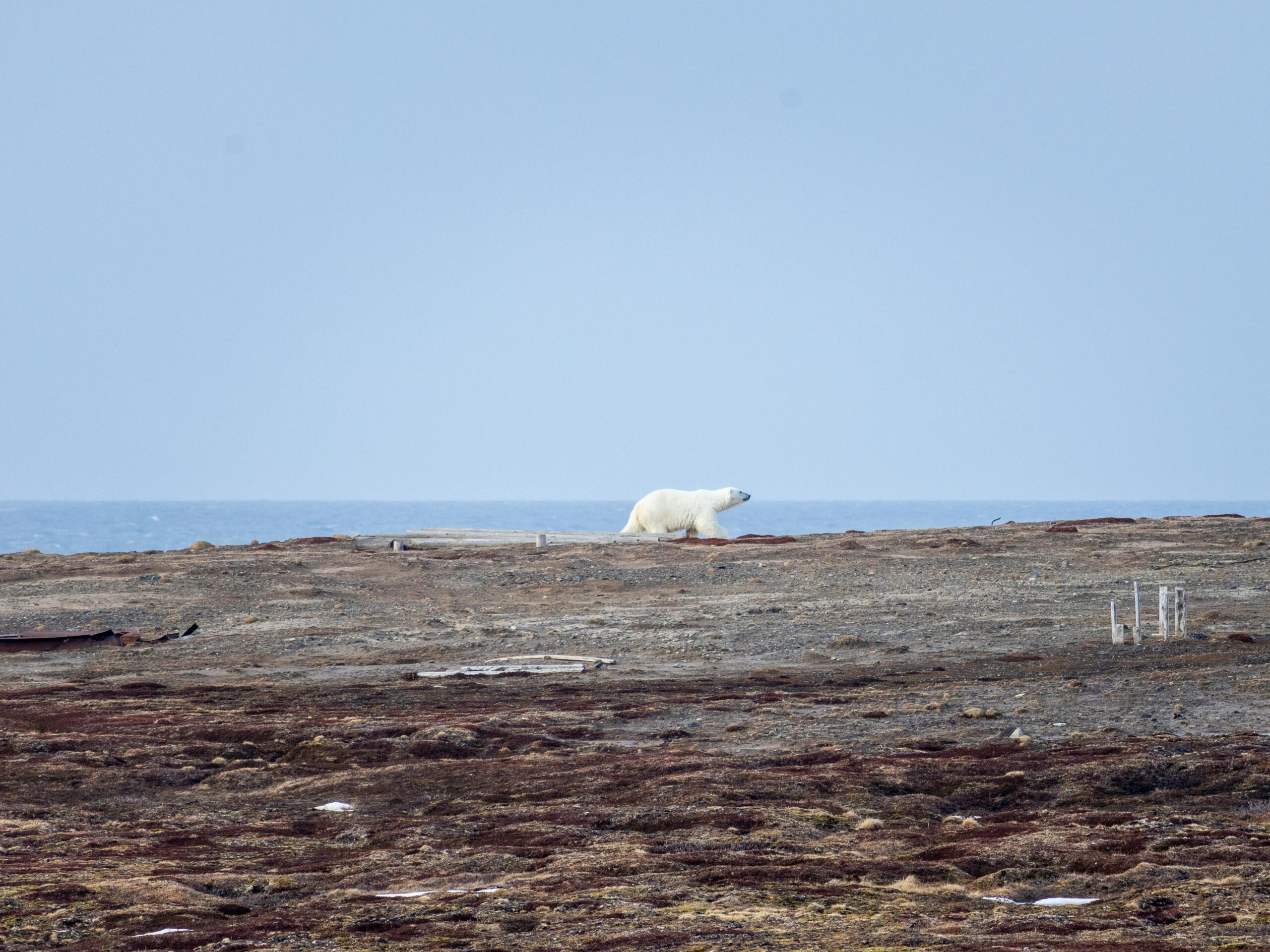
- Wildlife presence varies by region and season
- Professional focus on safety, coexistence and legal compliance
Human Influence, Rules and Cultural Context
- Remote settlements and limited services
- Strict regulations in many Arctic areas
- Indigenous cultures and land-use practices
- High responsibility for minimal impact operations
Risk Profile in the Arctic
- Hypothermia and frostbite risk
- Wind exposure, whiteout and navigation errors
- Ice and avalanche hazards where relevant
- Delayed evacuation and extended self-sufficiency
WGA Level 2 and Level 3 Arctic Standards
Download the WGA Arctic Standards (PDF)
Professional reference framework for operating as a Wilderness Guide Arctic.
👉 Download: WGA Standards Level 2–3 – Wilderness Guide Arctic (PDF)